The Cancun issue, October 2026
Cancun
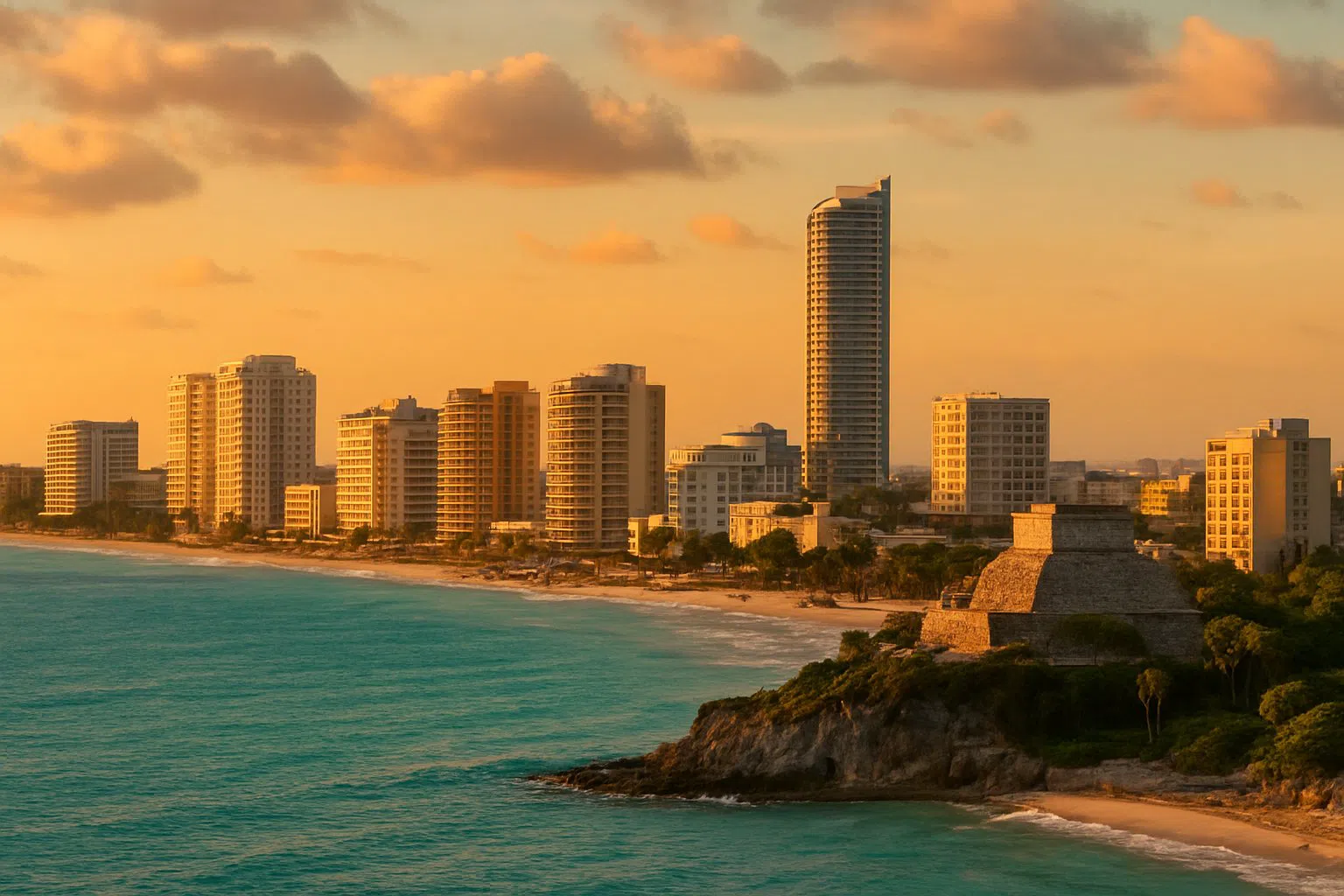
Cancún runs on a split personality.
Plan your Cancun trip
Live prices from our booking partners.
Guests & rooms
Free cancellation on many rooms. We may earn a commission when you book.
The Cancun reading list
All 10 Cancun stories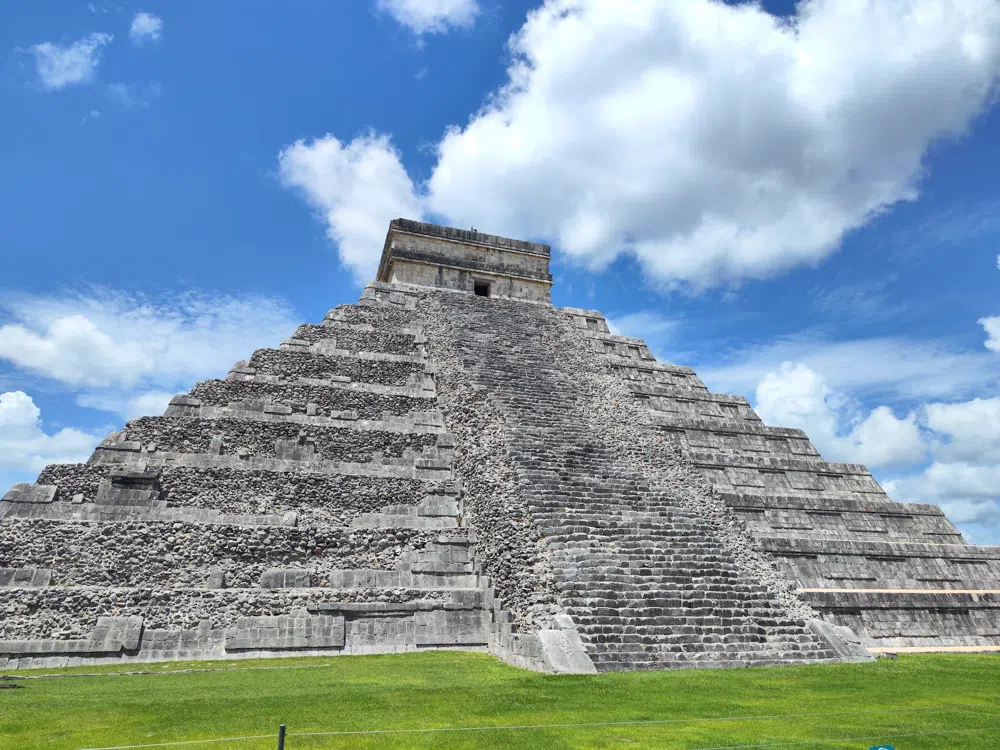
Tours and ticketsThe lead story
Chichen Itza from Cancun in September, gate to last shadow
What the 200 km day trip actually costs, and what time to be at the turnstiles. The new entrance makes every pre-2026 set of directions wrong.
Ximena Canul
Cancun's Sargassum Season and Where the Water Stays Clear
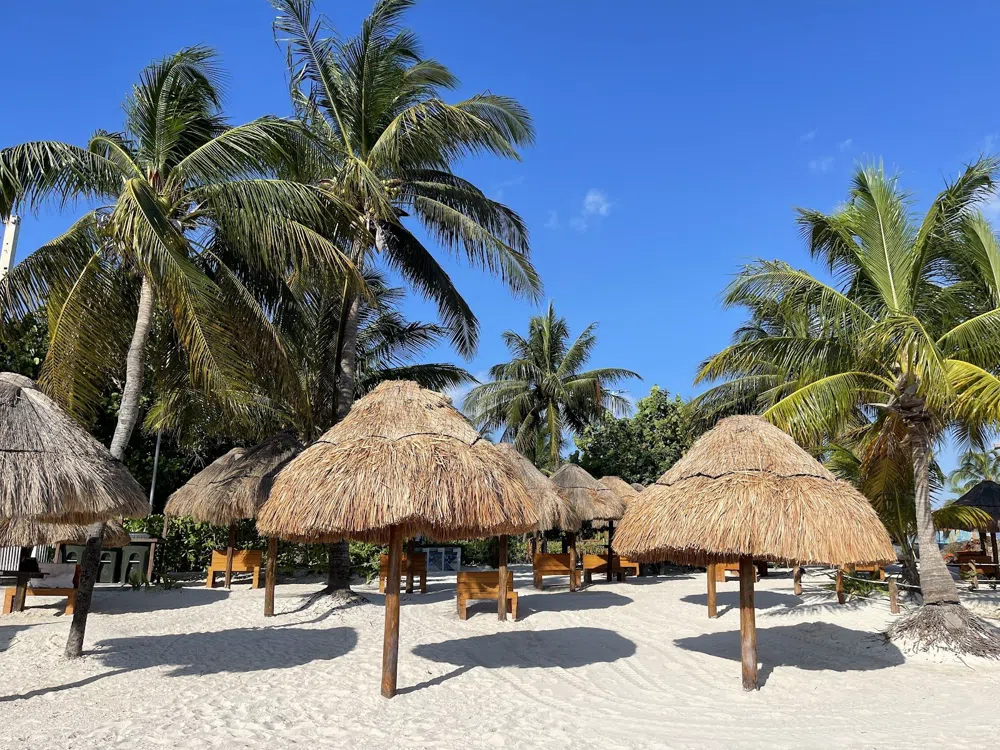
From May to October the Caribbean side of Cancun fills with brown weed while beaches six kilometres away stay glassy. Here is how to read the coast day by day and still get in the water.
Maja Lindqvist
Isla Mujeres in a Day on the Public Ferry from Cancun
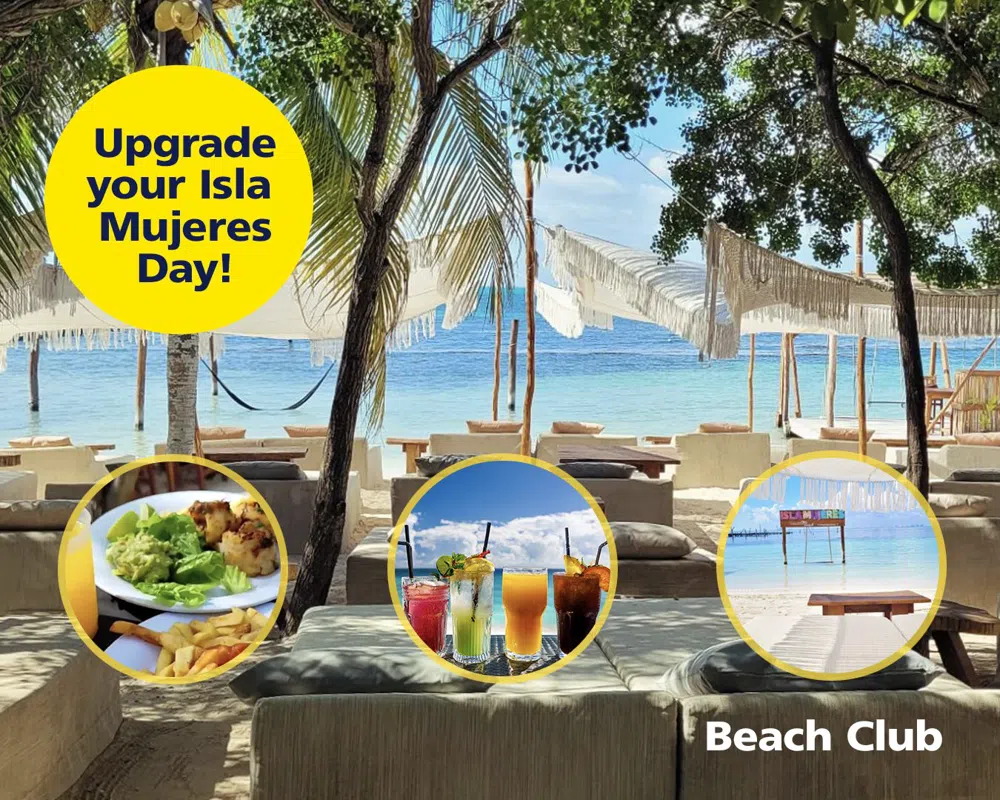
The ferry window, a rented cart and the north beach: how to build Cancun's best day out yourself for less than the resold package costs.
Ximena Canul

The Maya Ruins Between Cancun's Resort Towers
Cancun's Hotel Zone was a working Maya port long before it was a beach strip, and four of its archaeological sites are still standing between the hotels. This is how to walk them, what they cost, and when to go.
Maja Lindqvist
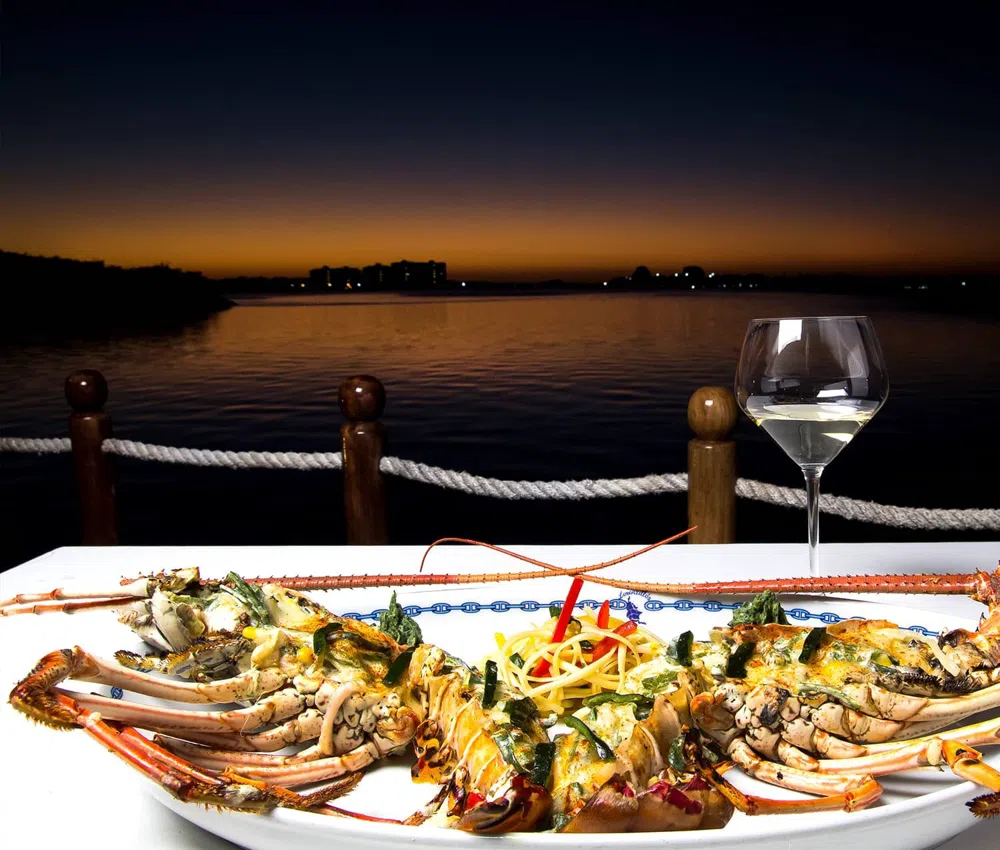
The Still-Water Side of Cancun After Dark
Cross Boulevard Kukulcan to the Nichupte lagoon and you get flat water, pier restaurants, one real club and a kayak at sunset, with 2026 prices, door rules and closing times.
Ximena Canul
More from the Cancun issue

Swimming Cancun's Cenotes Before the First Bus Arrives
Maja Lindqvist

Tours and tickets
Five Hours Inside Coco Bongo Cancun
Ximena Canul
Tours and tickets
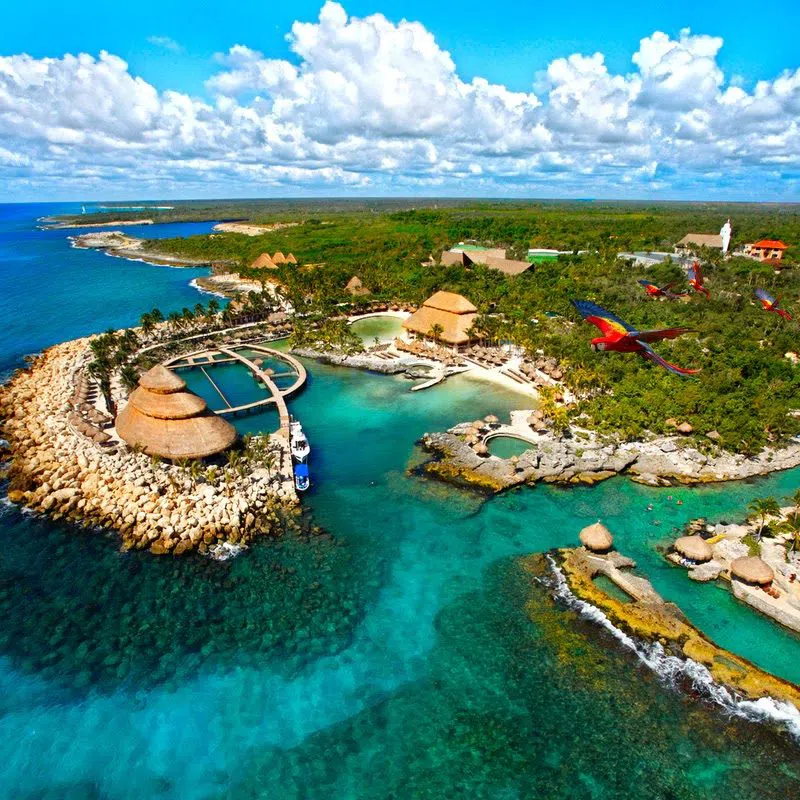
A full day inside Xcaret from Cancun in October 2026
Maja Lindqvist
Tours and tickets
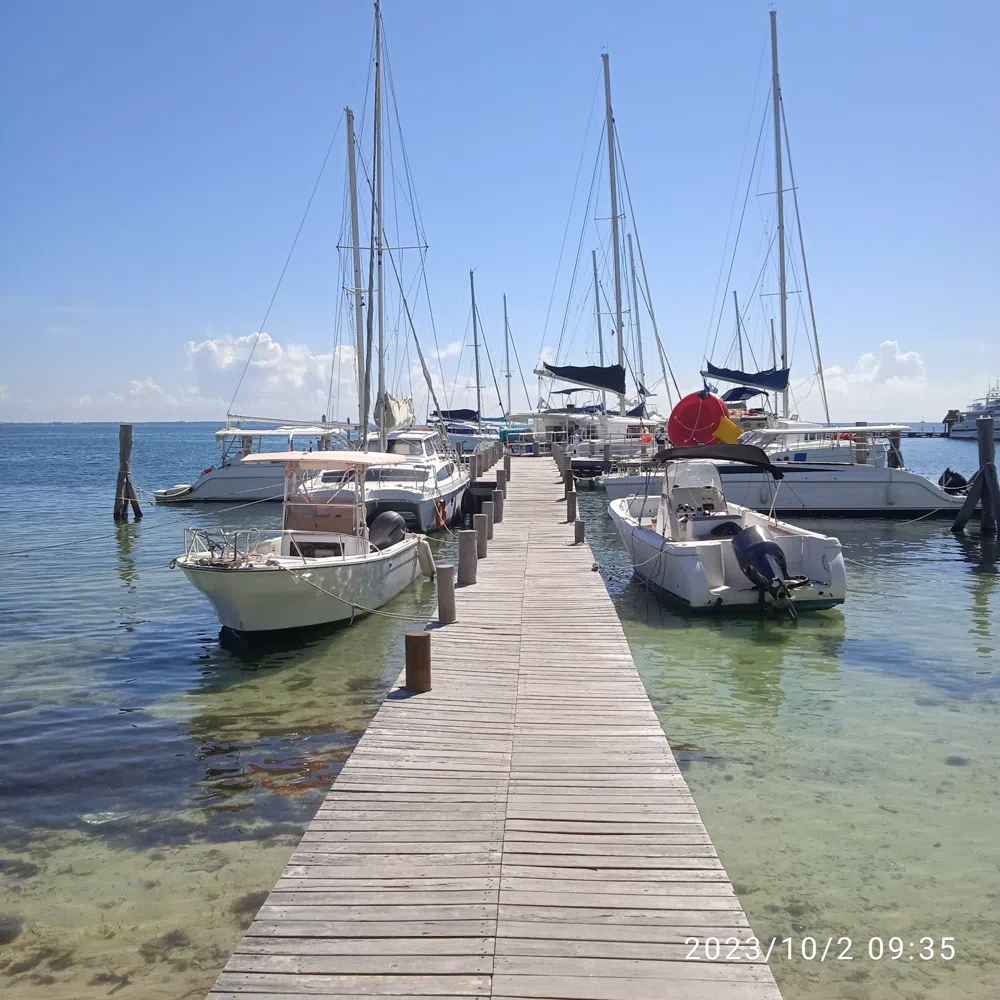
What a 55ft Private Yacht Day in Cancun Actually Costs
Maja Lindqvist

Night Diving Cancun's Reef While the Hotel Zone Dances
Maja Lindqvist
An insider’s read on Cancun
Cancún is a planned resort city, not an old colonial center that slowly grew into tourism. That matters. Its identity is shaped by the hotel strip, the airport, and the service economy that supports them. The city’s modern life is in constant conversation with the coastline: workers commute in from inland neighborhoods, visitors stay on the sand, and everyone else moves between the two. The result is a place with less architectural texture than older Mexican cities, but a very clear rhythm. Centro is practical and local. The Hotel Zone is engineered for comfort and consumption. The surrounding coast and islands supply the reason most people come. Cancún can feel generic if you never leave the resort bubble, but it becomes more legible once you understand how much of it is built around logistics, not romance.
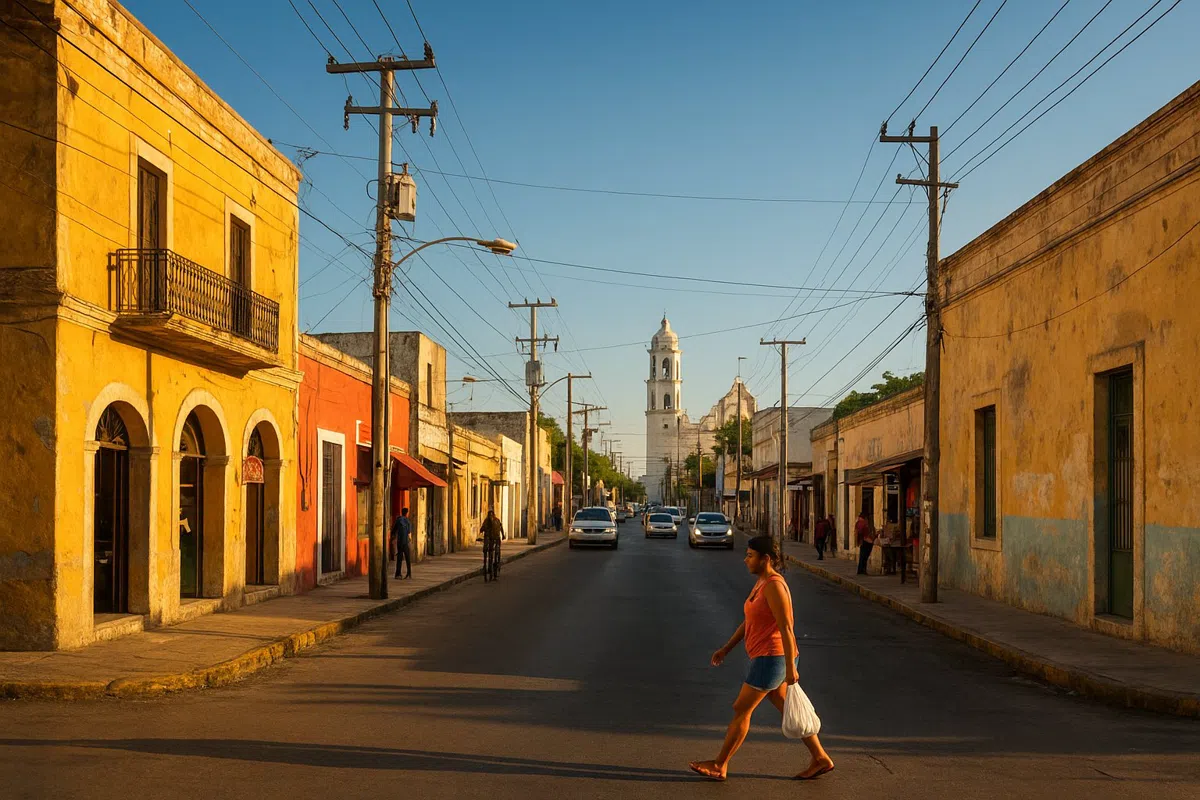

The sweet spot is a mix: beach mornings in the Hotel Zone, meals and errands in Centro
From our Cancun guide
Nine neighbourhoods, nine ways to stay
Pick the neighbourhood first and the trip follows. Each one opens its own guide, with the hotels inside it.
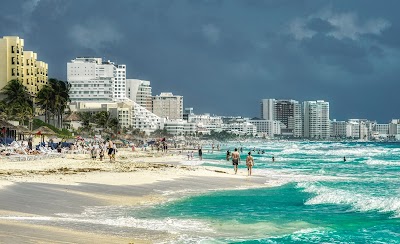
Zona Hotelera
Best for first-time visitors, beach-focused trips, and anyone who wants convenience over local texture. The trade-off is cost and a thinner sense of the city outside the resort bubble.
A long resort strip of towers, beach clubs, malls, and lagoon-side restaurants. It is engineered, polished, and very easy to navigate if you want the beach close at hand.
Where to stay Stay here if your priority is water access, pools, and minimal transit friction. Pick a property near the stretch you actually plan to use; the zone is long enough that location matters.
Stay in Zona Hotelera
Centro
Best for budget travelers, longer stays, and people who want cheaper food and a more local routine. The trade-off is that you are farther from the main beach strip.
The practical heart of Cancún: markets, apartment blocks, taquerías, bus stops, and everyday errands. It feels lived-in rather than staged.
Where to stay Good for mid-range hotels, apartments, and hostels if you plan to use buses to reach the coast. Choose a place near Avenida Tulum or around Parque Las Palapas for easier evenings.
Stay in Centro
Puerto Cancún
Best for travelers who want newer hotels and a more residential, polished base without staying deep in the Hotel Zone. The trade-off is that it can feel detached from both downtown life and the main beach action.
A newer waterfront district with a marina, golf, upscale apartments, and a cleaner, quieter feel than Centro.
Where to stay Useful for upscale stays and serviced apartments. It works well if you want easy access to both Centro and the Hotel Zone by car or taxi.
Stay in Puerto Cancún
Avenida Kukulcán corridor
Best for travelers who want to move between dining, nightlife, and the beach without much planning. The trade-off is traffic and a very tourist-heavy atmosphere.
The spine of the Hotel Zone, lined with resorts, malls, nightclubs, and beach access points. It is the most concentrated version of Cancún’s tourist machine.
Where to stay Choose this corridor if you want the classic resort setup and are happy to pay for it. Proximity to your main interests matters more than being in the center of the strip.
Stay in Avenida Kukulcán corridor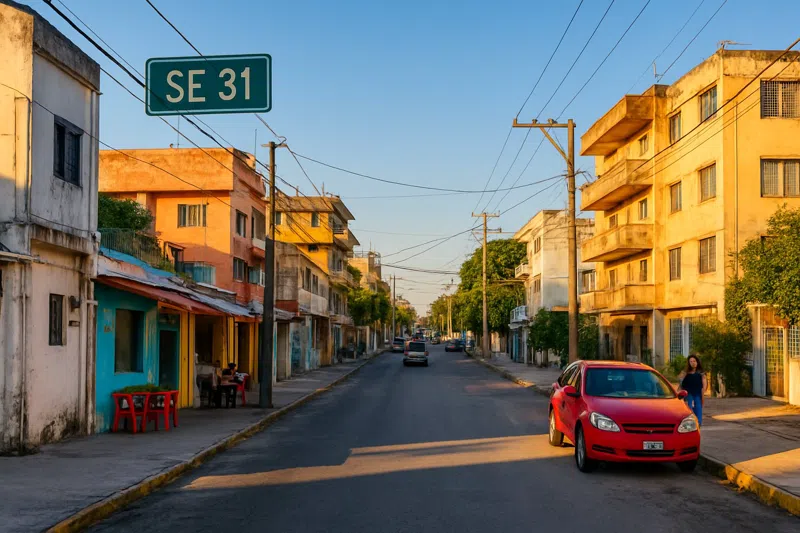
SM 31 and nearby residential Centro
Best for repeat visitors, longer stays, and travelers who want lower prices and a more ordinary city feel. The trade-off is that you will rely more on buses and taxis.
A more local residential pocket with apartment buildings, small eateries, and less tourist gloss than the hotel strip.
Where to stay Look for apartments or modest hotels if you want to live like a resident for a few days. It is practical, not scenic.
Stay in SM 31 and nearby residential Centro
SM 22 / Mercado 28 area
Best for travelers who want markets, cheap meals, and straightforward access to downtown. The trade-off is noise and less polish after dark.
Busy, functional, and useful for shopping and eating rather than lingering. This is one of the clearest places to see the city’s daily rhythm.
Where to stay Stay here only if you want to be near Mercado 28 and do not mind a more utilitarian setting. It is a good base for short, budget-conscious trips.
Stay in SM 22 / Mercado 28 area
Malecón Tajamar
Best for travelers who prefer newer hotels and a quieter, less chaotic base. The trade-off is that it can feel a bit detached from the city’s most interesting street life.
A waterfront development with open views, modern buildings, and a more corporate feel than the older parts of Centro.
Where to stay Useful for business-style stays and newer apartment hotels. It works best if you have transport rather than relying on walking.
Stay in Malecón Tajamar
Costa Mujeres
Best for travelers who want a self-contained beach holiday and do not plan to spend much time in the city. The trade-off is distance from Centro and a less flexible dining scene.
A newer resort area north of the city with broad beaches and large all-inclusive properties. It feels more isolated than the main Hotel Zone.
Where to stay Stay here if your trip is mostly about the resort and you are happy to stay put. It is not the best base for exploring Cancún on foot.
Stay in Costa Mujeres
Isla Mujeres ferry area / Puerto Juárez
Best for travelers planning an island day or an early ferry departure. The trade-off is that this is not where you stay for a classic Cancún beach holiday.
A transit edge of the city where the ferry to Isla Mujeres shapes the day. It is more functional than scenic, but very useful.
Where to stay Stay here only if ferry logistics matter more than resort comfort. Otherwise, use it as a transit point.
Stay in Isla Mujeres ferry area / Puerto JuárezBook before you land
Top-rated tours and tickets in Cancun, with live prices from Viator.

Cancun Private Driver
from $300

Cancun small group Cooking Class with Local Chef
from $111

Cenote and Swimming with Turtles Private Tour in Akumal
from $234

Private VW Beetle Tour to Chichen Itza, Cenote & Valladolid
from $725

Kayaking Tour in Cancun
from $45

Playa del Carmen One Way Or Roundtrip Private Transfer
from $105

Cancun Historic Downtown Food Tour with 7+ Authentic Tastings
from $76

ATV & Zip Lines Single From Playa del Carmen
from $149
Prices from Viator; we may earn a commission when you book — at no extra cost to you. Tours are sold and operated by Viator, the merchant of record. Ratings are collected by Viator and Tripadvisor.
Book direct
Book a hotel in Cancun
Loading live availability and real-time prices…
The Cancun guide
Where to eat, drink and look, how to get around, and what locals expect of you. Open any chapter.
Where to eat
Dining

Lorenzillo’s
A long-running lagoon-side seafood room that leans into the full spectacle of Cancún dining without losing the basics. Go for the setting if you want a classic Hotel Zone dinner with a serious shellfish focus.
Signature: Lobster and seafood platters

Fred’s House
Reliable for a polished seafood dinner with broad appeal and strong waterfront positioning. It works when you want a nicer meal without drifting into overcomplicated tasting-menu territory.
Signature: Grilled fish and seafood towers

Puerto Madero
Better known for steak, but the seafood side is substantial and the room is one of the more polished dinner settings on the strip. Good for mixed groups that cannot agree on one cuisine.
Signature: Seafood and premium cuts

El Fish Fritanga
A casual, beach-adjacent stop where the point is fresh fish, not formality. It is the kind of place that makes sense after a day in the sun.
Signature: Fried fish and ceviche

Muelle Viejo
A straightforward downtown seafood choice where the draw is freshness and a local crowd rather than resort polish. It is useful if you want to eat well without paying Hotel Zone pricing.
Signature: Ceviche and grilled whole fish
Puerto Madero
The benchmark for a polished steak dinner in Cancún, with a room that feels built for long, expensive meals and a menu that supports that mood. It is the safe choice when you want to spend once and get it right.
Signature: Argentine-style steaks

Cambalache
A classic steakhouse pick with a straightforward grill-room identity and a loyal following among visitors who want meat done properly. It is less flashy than some hotel restaurants and more focused on the plate.
Signature: Ribeye and provoleta

Harry’s Prime Steakhouse & Raw Bar
A high-end, high-energy steakhouse where the appeal is the full production: premium cuts, dark interiors, and a dinner that feels like an event. Go if you want a big night out.
Signature: Dry-aged steaks

Mr. Pampas
Useful for travelers who want a Brazilian-style meat parade and a lot of choice in one sitting. It is not subtle, but it solves the problem of indecision quickly.
Signature: Rodizio service

Porfirio’s
A polished Mexican grill room that balances steak with a broader menu and a strong dining-room atmosphere. It suits groups that want a celebratory dinner without going fully formal.
Signature: Grilled meats and modern Mexican plates

La Parrilla
A practical downtown choice for Mexican staples, grilled meats, and a menu that works for groups. It is not trying to be clever, which is part of the appeal.
Signature: Tacos and fajitas

El Pocito
A low-key, local-feeling spot for tacos and seafood plates that keeps the focus on quick, honest food. It is the kind of place you use when you want dinner to be simple and cheap.
Signature: Tacos and seafood antojitos

Taquería Coapenitos
One of the better-known taco stops in the city for a fast, no-fuss meal with enough variety to keep a group happy. It is especially useful late in the day.
Signature: Tacos al pastor

El Cejas
A market-adjacent classic for seafood and casual Mexican plates where the appeal is speed, price, and a busy room. It is a good answer when you want lunch to feel local and efficient.
Signature: Seafood cocktails and fried fish

Los de Pescado
A straightforward taco stop that does one thing well: fish tacos with enough crunch and seasoning to justify the detour. It is a good casual lunch option.
Signature: Fish tacos

Le Basilic
A formal French restaurant inside a resort setting, useful when you want a more restrained, white-tablecloth dinner than the usual beach-club energy. It is one of the clearest fine-dining addresses in the city.
Signature: French tasting-style dishes

Benazuza
A high-concept tasting-menu experience that leans into technique and presentation rather than comfort food. Choose it when you want dinner to be the main event.
Signature: Tasting menu
Harry’s Prime Steakhouse & Raw Bar
It sits at the expensive end of the spectrum and delivers the kind of polished, high-spend dinner that many visitors are actually looking for. The room and service are part of the appeal.
Signature: Premium steaks and raw bar
Puerto Madero
A dependable upscale dinner room with enough polish to feel special without requiring a tasting-menu commitment. It is a strong choice for a celebratory meal.
Signature: Steaks and seafood
Taboo Cancún
More about the full dinner-and-night-out package than pure gastronomy, but it is one of the more recognizable upscale rooms on the strip. Go if you want a lively, expensive evening that starts at the table.
Signature: Mediterranean plates and seafood
Taquería Coapenitos
A reliable, affordable taco stop with enough turnover to keep things moving and enough variety to solve dinner quickly. It is one of the easiest budget wins in the city.
Signature: Tacos al pastor
Los de Pescado
A simple fish-taco stop that gives you a cheap lunch without forcing you into a market maze. It is direct, fast, and useful.
Signature: Fish tacos
El Pocito
A low-cost seafood and taco option where the menu is built for everyday eating rather than special occasions. Good when you want to spend little and still sit down.
Signature: Tacos and seafood snacks
El Cejas
A classic market-area answer for seafood on a budget, with big portions and a no-frills room. It is a practical lunch stop, not a polished one.
Signature: Seafood cocktails
Mercado 28 stalls
The market is useful because it concentrates cheap, fast food in one place, with enough choice to keep a group happy. It is better for lunch than for a long dinner.
Signature: Tacos, antojitos, and snacks

Taquería El Ñero
A straightforward taco option for a cheap, late meal in the city. It is the sort of place that earns its keep by being open when you need it.
Signature: Tacos and quesadillas

Ala Brava
A plant-forward option with enough care in the cooking to feel like a real meal rather than an afterthought. It is useful for travelers who want a lighter, more modern lunch or dinner.
Signature: Vegetarian bowls and salads

La Fonda del Zancudo
A good choice when you want Mexican home-style cooking with vegetarian-friendly plates that are more satisfying than token salads. It works well for mixed groups.
Signature: Vegetarian Mexican plates

Mora Mora
A health-conscious café where the menu is built around lighter dishes, juices, and vegetarian-friendly options. It is handy for breakfast or a reset meal in the Hotel Zone.
Signature: Bowls and smoothies
After dark
Nightlife

Coco Bongo Cancún
The city’s most recognizable party room, built around a show-heavy format rather than a standard DJ night. Go if you want a full spectacle and do not mind a very controlled kind of chaos.

The City Cancún
A large-scale club that draws big-name touring DJs and a crowd that wants a proper late night. It is one of the clearest choices for a straight club experience.

Mandala
A long-running nightlife staple with a more open, party-first format and a strong location on the strip. It is useful when you want something immediately recognizable and easy to find.

RosaNegra Cancún
A flashy dinner-and-drinks room that works well if you want cocktails with a strong visual setting and a lively crowd. It is more about the evening atmosphere than quiet conversation.
Taboo Cancún
A high-energy bar-restaurant hybrid where the drinks are part of a larger night-out package. It suits groups that want to start early and stay out late.

The Rooftop at The Westin Lagunamar
Useful for a calmer drink with a view over the lagoon and the hotel strip. It is one of the better bets when you want to step away from the club circuit.

Congo Bar Cancun
A party bar that often functions as a live-music or DJ stop within the larger strip nightlife circuit. It is best for travelers who want energy over subtlety.
Art & history
Culture

Museo Maya de Cancún
The most important museum stop in the city for understanding the region’s Maya heritage without leaving the hotel strip. It pairs well with the nearby archaeological site and gives the trip more context.

Museo Subacuático de Arte (MUSA)
A distinctive underwater art project that is one of the few cultural experiences here tied directly to the sea. It is worth doing if you are already planning a boat or snorkeling day.

Museo de Arte Popular Mexicano
Useful for a quick look at Mexican folk art and craft traditions when you do not want to leave the tourist corridor. It is smaller than the main museum, but easy to fit into a day.

Playa Delfines
The city’s most recognizable public beach, with a broad sweep of sand and a clear sense of place that does not depend on a resort gate. It is one of the few spots where Cancún feels open rather than enclosed.
El Mirador
A scenic lookout and photo stop that gives you the classic Caribbean-water view people come for. It is simple, but it does the job well.

Parque Las Palapas
The most useful public square in downtown Cancún, especially in the evening when food stalls and local families bring it to life. It is a good place to see the city outside the resort frame.

Galería Balance
A contemporary art space that gives downtown a small but real cultural anchor. It is worth a stop if you want to see work by regional artists rather than resort décor.

Galería de Arte Mexicano Cancún
Useful for browsing Mexican art and design in a setting that is easy to fold into a Hotel Zone day. It is more practical than destination-worthy, but still legitimate.
Nader Sculpture Park
An outdoor art stop that adds some texture to the downtown area and is easy to combine with other Centro plans. It is one of the few places where art and public space meet naturally here.
Timing
When to visit
Spring
One of the best times to go. Days are warm without the full summer heaviness, and the water is good for long swims. Crowds stay strong around Easter and school holidays, so the first half of the season is easier than the second.
Summer
Hot, humid, and often seaweed-prone on the open beaches. This is the season for lower hotel rates and indoor breaks, but not for anyone who hates sticky weather. Plan around strong sun and afternoon downpours.
Autumn
The quietest stretch can also be the most weather-sensitive. Storm risk is the main issue, and some travelers avoid it entirely for that reason. If you do come, keep plans flexible and buy travel insurance.
Winter
Peak season for a reason: dry, comfortable, and reliable for beach time. Expect higher prices and fuller hotels, especially from mid-December through early January and around spring break spillover.
What it costs
Budgeting
Logistics
Getting around
From the airport
Cancún International Airport sits well south of the Hotel Zone, so transfers are part of the trip. Prebooked shuttles are the easiest middle ground for resort stays. Taxis are available but usually expensive by local standards. If you’re staying downtown, airport buses and shared transfers are the better-value choice.
Public transit
The city’s orange-and-white buses are the workhorse for short hops between Centro, the Hotel Zone, and the beach access points. They are cheap, frequent, and useful once you learn the main routes. For longer distances, colectivos and taxis fill the gaps, but buses are the simplest way to avoid resort-area traffic.
Passes & tickets
There is no city pass that meaningfully changes the math for most visitors. Individual bus fares are already low, so a pass usually isn’t worth hunting down. Spend on a reliable airport transfer or a prebooked shuttle instead; that saves more than any transit card.
On foot
Centro is walkable in pockets, especially around Avenida Tulum and the market area, but the city is not built for long pedestrian itineraries. The Hotel Zone is walkable only in short stretches, and distances between hotels, malls, and beach access points are bigger than they look on a map. Heat makes even short walks feel longer.
Local etiquette
Safety & etiquette
- Tip in restaurants and for drivers when service is good; cash is still useful for small bills.
- Do not assume every beach access point is public; some stretches are tied to hotels or are awkward to reach.
- Dress for the venue in the Hotel Zone; some clubs and upscale restaurants are stricter than they look from the street.
- If you are taking buses, signal clearly and keep small change ready.
- Be polite but firm with taxi fares if the meter is not used; agree before you get in when needed.
- At markets, expect light bargaining on souvenirs, not on food.
Travel smart
Practical tips
- Use the bus for Hotel Zone movement; it is one of the few easy ways to avoid paying taxi prices for short hops.
- If you want a quieter beach day, go early to Playa Delfines before the heat and crowds build.
- Book airport transport before arrival if you are landing late; it saves time and reduces bargaining at the curb.
- Keep a separate plan for rainy afternoons; museums, malls, and long lunches are the easiest fallback.
- Do not rely on walking between Hotel Zone attractions; distances and heat make it inefficient.
- If you are clubbing, check whether your venue has a dress code and budget for transport back to the hotel.
- Carry sunscreen and water for day trips; the sun is stronger than many visitors expect.
- Use Centro for cheaper meals and basic shopping, then spend on the Hotel Zone only where the location matters.
- For Isla Mujeres, take an early ferry if you want a calmer day and fewer logistics.
- If you are visiting in summer or autumn, watch sargassum and weather updates before committing to a beach-only itinerary.
Before you go
Cancun FAQs
Is it better to stay in the Hotel Zone or downtown?
Stay in the Hotel Zone if beach access is your priority; stay downtown if you want better value and more local food. Many travelers split the difference by sleeping downtown and spending beach days on the strip.
Do I need a car in Cancún?
No, most visitors do not. Buses, taxis, shuttles, and day tours cover the main needs, and a car can be more hassle than help if you are staying in the Hotel Zone.
Is Cancún good for a short trip?
Yes, if you keep the plan tight. A long weekend works well for beach time, one good meal in Centro, and one island or ruins day.
Are the beaches public?
Some are, but access varies a lot. Playa Delfines is the easiest public option, while many other stretches are tied to hotels or have less obvious entry points.
What should I eat first?
Start with seafood and Yucatán dishes: ceviche, fish tacos, cochinita pibil, and panuchos. That gives you a better read on the city than a generic resort menu.
Is Cancún only for resort vacations?
No, but the resort strip dominates the image of the city. Downtown, the markets, and the ferry access to Isla Mujeres give you a very different trip if you use them.